In 2020, TikTok was banned in India.
Over $900 million flowed into the market to replace it.
We started with less than $5 million.
Within 10 months, we reached 10 million daily active users with above-market retention.
We eventually scaled Tiki to 100 million users.
A lot of what worked wasn’t obvious at the time.
Most platforms approach growth in a similar way:
They optimize for content.
They pay creators.
They rely heavily on algorithms.
We took a different path.
We stopped paying creators salaries, and focused on helping them grow through their audience.
We reduced the reach of viral “junk” content, even when it hurt short-term metrics.
We spent more time building communities than tuning feeds.
Over time, one thing became clear:
People don’t stay for content.
They stay for people.
I’ve written a full breakdown of the system behind this:
– The Creator Flywheel
– The meritocracy pyramid
– Why status works better than subsidies
– What we got wrong along the way
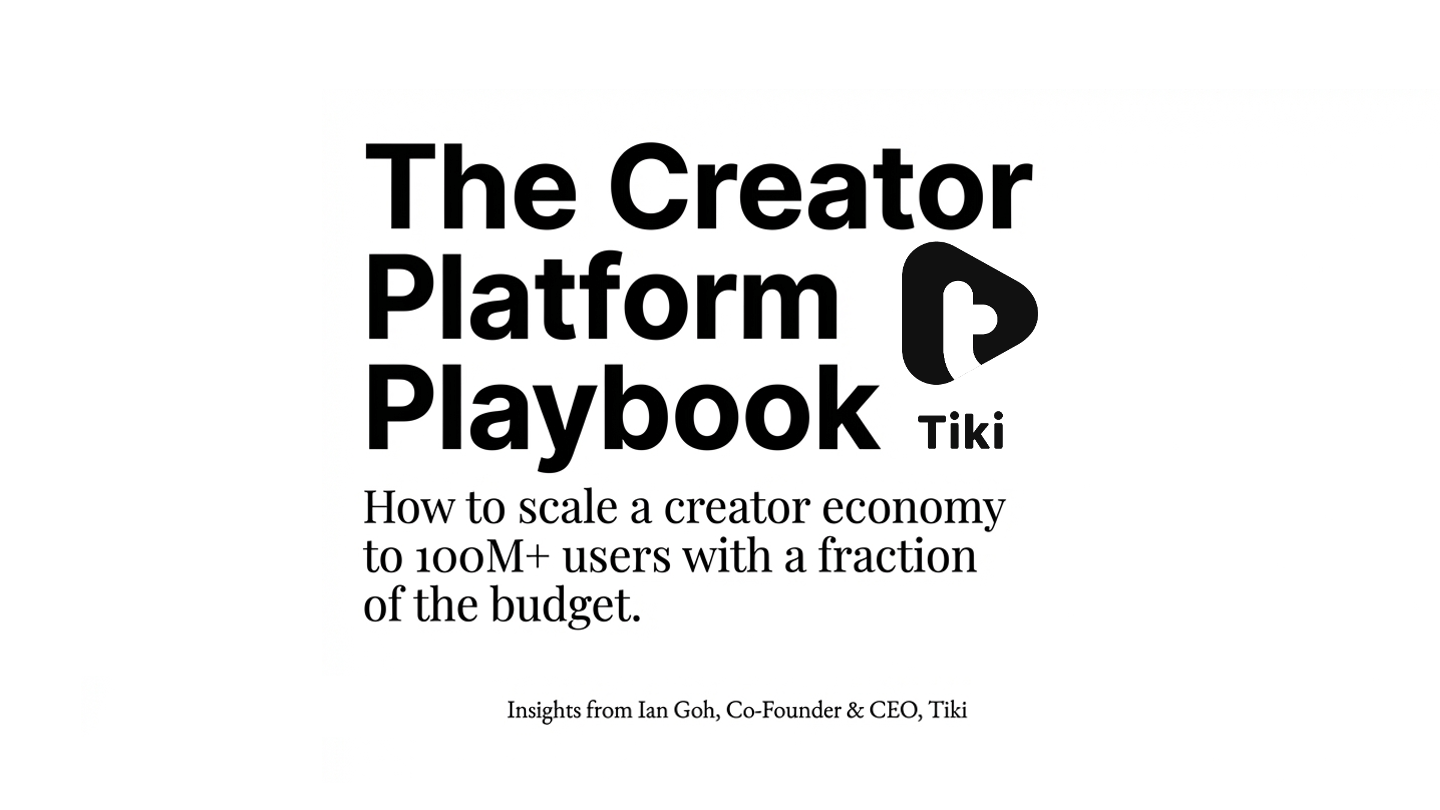
If you prefer a visual version, you can go through the slides below.
Or read the full playbook here:
👉 https://iangoh.com/playbook